Space Maintainers: Saving Room for Adult Teeth
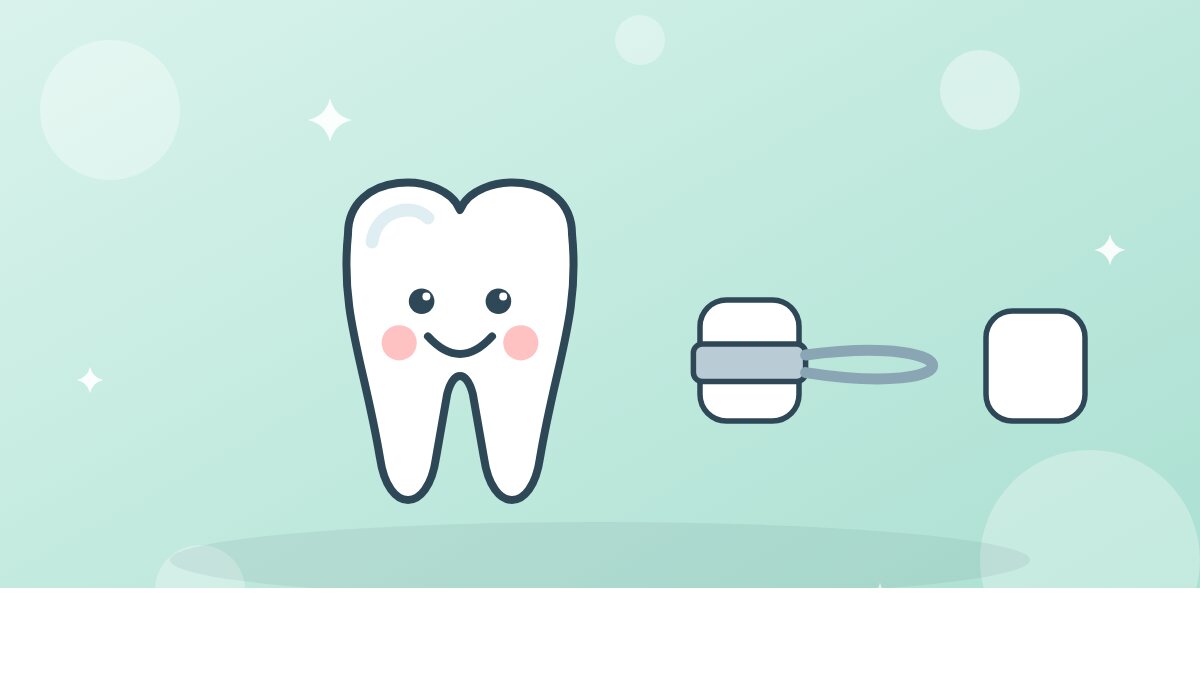
"The tooth had to come out, so that's the end of it, right?" Not always. When a baby back tooth is lost years before its natural time, the space it leaves behind still has an important job to do. A small appliance called a space maintainer can help protect that space until the adult tooth is ready.
Why the gap matters
Baby teeth are natural place-holders for the adult teeth growing underneath. Back baby teeth (molars) often stay in the mouth until around age 10 to 12. If one is lost early, usually because of deep decay or an injury, the teeth on either side can tip or drift into the empty space over time. The teeth behind it tend to move forward most.
When that happens, the adult tooth may not have enough room to come in. It might erupt out of position, become stuck, or add to crowding. Fixing that later can mean longer and more complex orthodontic treatment.
What is a space maintainer?
A space maintainer is a small custom-made appliance that holds the gap open. The most common types are:
- Fixed band-and-loop. A thin metal band fits around a neighbouring tooth, with a wire loop that rests against the tooth on the other side of the gap. It stays in place until the dentist removes it.
- Fixed lingual or palatal arch. A wire runs along the inside of the lower or upper teeth, joining molars on both sides. It is often used when teeth are missing on both sides.
- Removable maintainer. Looks similar to a retainer, sometimes with a false tooth attached. It can work well for older, responsible children, but only if it is actually worn.
Your dentist chooses the type based on which tooth was lost, your child's age and how many teeth are missing.
Is it always needed?
No. A space maintainer is not automatically needed every time a baby tooth is lost early. Your dentist will consider:
- Which tooth was lost. Back teeth matter more for space than front baby teeth.
- Your child's age, and how long until the adult tooth is expected.
- How far the adult tooth has developed, usually checked with an X-ray.
- Whether there is already crowding or extra space.
If the adult tooth is about to come through, a space maintainer may not be necessary.
What fitting involves
Fitting is usually quick and painless, and most fixed maintainers do not need any injection. Typically:
- The dentist checks the area and may take an X-ray.
- A small band is tried on the neighbouring tooth, and an impression or scan is taken.
- At a later visit, or sometimes the same one, the maintainer is cemented in place.
Your child may feel some pressure or notice the wire with their tongue for a few days. Most children adapt quickly.
Caring for a space maintainer
- Brush carefully around the band and wire twice a day with fluoride toothpaste. Plaque collects easily around the edges.
- Avoid sticky and chewy foods such as toffee, chewing gum and sticky sweets, which can loosen or bend it.
- Avoid hard foods like ice cubes and hard sweets.
- Don't let your child push or pull it with fingers or tongue.
- For removable types, wear it as instructed, clean it daily and keep it in its case, not wrapped in a tissue.
Regular checks and removal
Your dentist will check the maintainer at regular visits, usually every six months or as advised, to make sure it fits, isn't loose and isn't blocking the adult tooth. Once the adult tooth starts to come through, the maintainer is removed. This is usually quick and easy.
Call your dentist soon if the maintainer:
- Feels loose, moves, or comes out (keep it and bring it with you).
- Is bent or broken.
- Is digging into the gum or causing pain.
Questions about your child's teeth?
Every child is different — it is always better to ask than to worry.
This article is general information and does not replace an examination by a dentist or doctor.