Food for Strong Teeth: What to Feed Your Child for a Healthy Smile
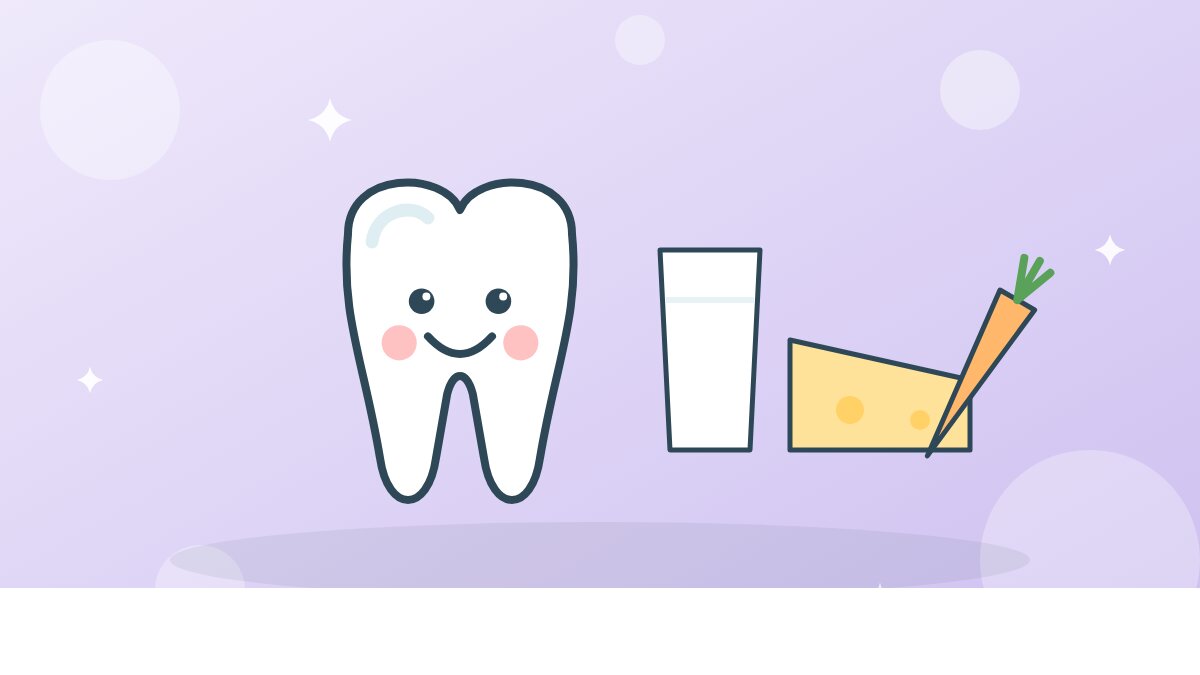
"What can I give her to make her teeth stronger?" Parents ask me this often, usually hoping for a special food or vitamin. The honest answer is that there's no single magic food, but everyday eating habits make a real difference to your child's teeth, alongside brushing and fluoride.
Calcium and vitamin D
Teeth and the bone around them need calcium, and the body needs vitamin D to use calcium well.
Good sources of calcium include:
- Milk, laban, yoghurt and cheese
- Fish with soft edible bones, such as canned sardines or salmon
- Green leafy vegetables, chickpeas (including hummus), sesame paste (tahini) and almonds for older children
- Calcium-fortified foods
Vitamin D comes mainly from sunlight on the skin, and from a few foods such as oily fish, eggs and fortified milk. Even in our sunny climate, vitamin D deficiency is common in the UAE, because children often spend much of the day indoors and avoid the midday heat. If you are unsure whether your child gets enough, ask your paediatrician, who may check levels or recommend a supplement at the right dose. Please don't start high-dose vitamins on your own.
Crunchy foods and water
Firm, crunchy foods such as carrots, cucumber, apple slices and peppers need lots of chewing. Chewing increases saliva, which helps wash away food and neutralise acid. These foods won't replace a toothbrush, but they make great snacks.
Water is the best drink for teeth. Make it the main drink between meals, and keep a bottle in the school bag. Plain milk or laban is a good drink with meals.
Rhythm matters: meals versus grazing
How often a child eats matters as much as what they eat. Every time we eat or drink something with sugar or starch, bacteria in the mouth produce acid for a while afterwards. Saliva then slowly repairs the enamel.
When a child grazes all day, nibbling biscuits, crackers, fruit or sipping juice every half hour, teeth never get that recovery time.
A healthier pattern:
- Three meals and two or three planned snacks at roughly regular times.
- Only water in between.
- Keep sweet things with meals, when saliva is already flowing, rather than as separate treats.
- Finish the day with brushing, and nothing but water after the evening brush.
Watch for hidden sugars
Some foods sound healthy but contain a lot of sugar or stick to teeth:
- Flavoured yoghurts and flavoured milks
- "No added sugar" juices, which still contain natural fruit sugar
- Breakfast cereals and cereal bars
- Dried fruit, including dates, and fruit "leathers"
- Crackers, crisps and soft biscuits, which are starchy and get stuck in the grooves of back teeth
- Ketchup and some sauces
Check the label: sugar can appear as sucrose, glucose, fructose, syrup, honey or concentrated fruit juice. Dates and honey are natural, but teeth treat them like any other sugar, so enjoy them with meals.
An honest word about supplements
Vitamins, calcium tablets and "tooth-strengthening" gummies cannot replace brushing and fluoride. Most children who eat a varied diet don't need extra calcium, and too much of some vitamins can be harmful. Many gummy vitamins are also sweet and sticky. Supplements make sense when a doctor has found a specific need, such as vitamin D deficiency.
The things that protect teeth most are simple: fluoride toothpaste twice a day, a sensible eating rhythm, water between meals, and regular check-ups.
Questions about your child's teeth?
Every child is different — it is always better to ask than to worry.
This article is general information and does not replace an examination by a dentist or doctor.