Missing or Extra Teeth in Children: What Parents Should Know
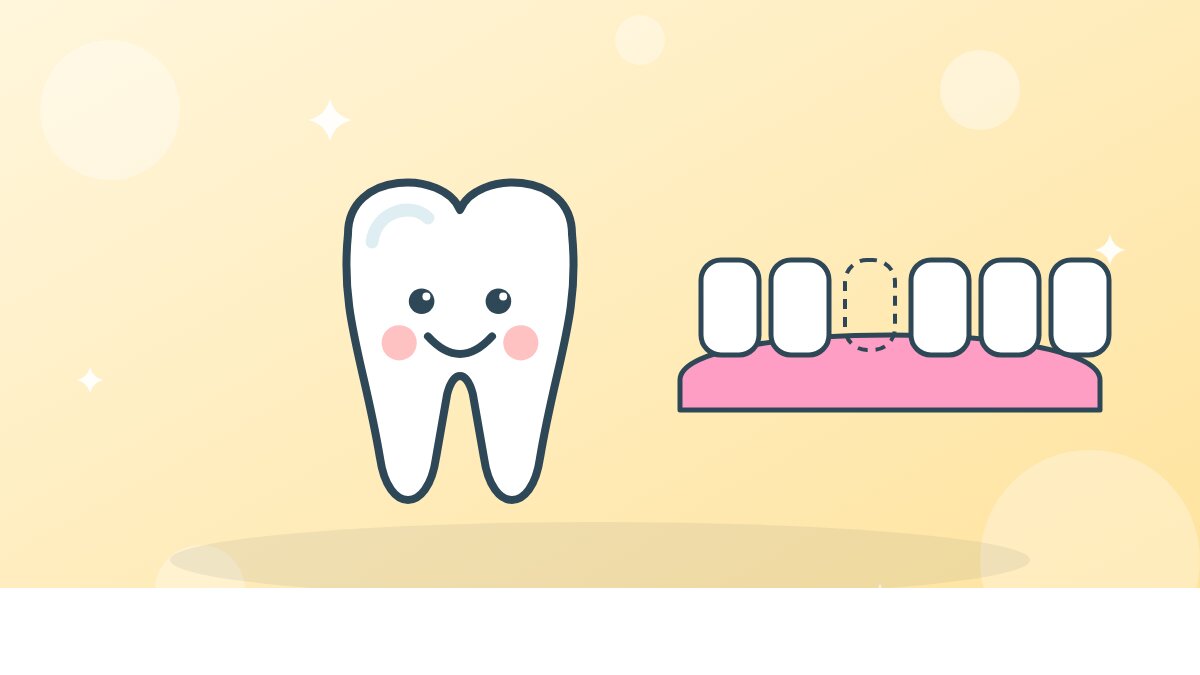
"The X-ray shows there's no adult tooth under this one?" Hearing that your child is missing a tooth, or has an extra one, can be a surprise. These differences are more common than many parents think, and they are very manageable, especially when found early.
Missing teeth (hypodontia)
Some children are born without one or more adult teeth. The tooth simply never formed. This is called hypodontia, and it affects a noticeable minority of children, usually involving just one or two teeth.
The teeth most often missing are:
- The upper lateral incisors, the small teeth beside the two big front teeth
- The lower second premolars, the teeth that replace the last baby molars
- Wisdom teeth, which are very often missing and usually not a concern
Missing teeth often run in families, so if a parent or sibling has a missing tooth, it's worth mentioning to your dentist. It can occasionally be linked to certain medical conditions, but in most children it is an isolated finding.
Signs you might notice:
- A baby tooth that stays firm long after the same tooth on the other side has fallen out
- A gap that doesn't fill, or a front tooth that looks small or peg-shaped
- Spacing between front teeth that seems unusual for your child's age
Extra teeth (supernumerary teeth)
Some children develop extra teeth, called supernumerary teeth. The most common is a mesiodens, a small, often cone-shaped extra tooth between or behind the two upper front teeth.
An extra tooth may come through into the mouth, or stay hidden in the bone. Hidden ones can:
- Block or delay an adult front tooth from coming through
- Push neighbouring teeth out of position or cause a gap between the front teeth
- Occasionally cause other problems if left for many years
A common clue is when one upper front adult tooth comes through but the other doesn't, many months later. That's a good reason to see your dentist.
How these are found
Most missing or extra teeth are discovered on dental X-rays, often a routine X-ray during a check-up or a larger X-ray that shows all the developing teeth. Adult teeth form in the jaw years before they appear, so X-rays let us plan ahead. Your dentist will only recommend X-rays when the information will help your child's care.
What are the options?
There is no single answer. The right plan depends on your child's age, which teeth are involved, the bite, and how the face and jaws are growing.
For missing adult teeth:
- Keep the baby tooth. If a baby tooth has no adult tooth underneath, it may stay healthy for many years, sometimes into adulthood. Protecting it from decay is important.
- Monitor. In young children, we often watch and review over time.
- Orthodontic treatment. Braces may close a gap, or hold or create the right amount of space for a future replacement.
- Replacing the tooth later. Options such as a bonded bridge or an implant are usually considered once growth has finished, typically in the late teens or later. A removable plate or bonded tooth can fill the gap in the meantime.
For extra teeth:
- An extra tooth that is not causing problems may simply be monitored.
- If it is blocking an adult tooth or causing crowding, removing it is often recommended, sometimes followed by orthodontic help to guide the adult tooth into place.
A team approach
These cases often involve more than one specialist, such as a paediatric dentist, an orthodontist and, when needed, an oral surgeon or a dentist who places tooth replacements later. Working together at the right times usually gives the best result with the least treatment. Your child's plan may change as they grow, and that is normal.
Questions about your child's teeth?
Every child is different — it is always better to ask than to worry.
This article is general information and does not replace an examination by a dentist or doctor.